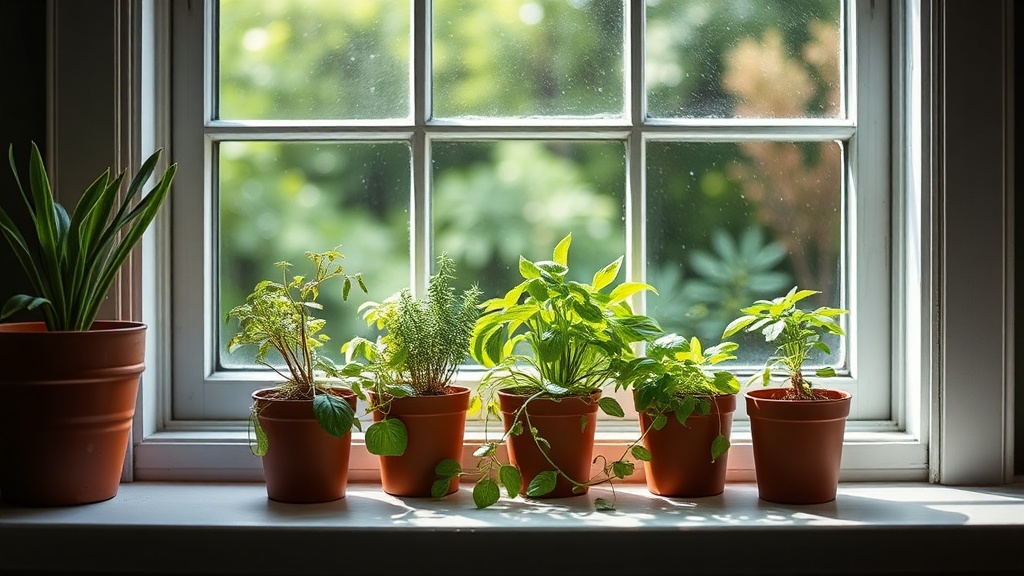
Building a Small Indoor Herb Garden on Your Windowsill

Nearly 80% of people who attempt to grow herbs indoors fail within the first three months due to poor drainage or light mismanagement. This guide breaks down the exact steps to setting up a functional, windowsill herb garden that actually thrives. We'll look at the specific gear you need, which herbs are easiest for beginners, and how to manage light and water cycles in a small indoor space.
What Do I Need to Start an Indoor Herb Garden?
You need a combination of high-quality drainage containers, organic potting mix, and a light source that meets the specific needs of your chosen plants.
Don't just grab any dirt from your backyard. Indoor plants require a sterile environment to prevent rot and pests. I recommend starting with a dedicated potting soil mix rather than garden soil. Garden soil is too heavy and will compact in a pot, suffocating your roots. For containers, look for something with drainage holes. If you love the look of ceramic but can't find holes, use a nursery liner inside the decorative pot. This makes watering much easier.
Here is a quick checklist of the basic supplies:
- Containers: Terracotta is great because it breathes, but plastic or glazed ceramic works if you manage water carefully.
- Soil: A high-quality indoor potting mix (brands like Espoma are reliable).
- Watering Tool: A long-neck watering can to reach the base of the stems.
- Light: A sunny window (South-facing is best) or a dedicated grow light.
- Fertilizer: An organic liquid seaweed or fish emulsion.
If your windowsill doesn't get much sun, don't worry. You can supplement with a small LED grow light. It's a cheap way to keep things growing when the weather turns gray.
Which Herbs Grow Best Indoors?
Basil, mint, and chives are the most resilient herbs for indoor environments.
Not all herbs are created equal when it comes to light requirements. Some plants are "hungry" for sun, while others are perfectly happy with a bit of shade. If you're starting out, I suggest picking a "theme" for your windowsill. You could go with a "Mediterranean" theme or a "Soft Herb" theme. This helps you group plants with similar needs together.
| Herb Name | Light Requirement | Water Needs | Difficulty |
|---|---|---|---|
| Basil | High (6+ hours) | Frequent (Keep moist) | Easy |
| Mint | Moderate | High (Loves moisture) | Very Easy |
| Rosemary | Very High | Low (Let dry out) | Moderate |
| Chives | Moderate | Moderate | Easy |
| Parsley | Moderate | Moderate | Easy |
A quick tip: Mint is an aggressive grower. If you put it in the same container as another herb, it will likely take over and kill its neighbor. Give it its own space (and its own pot).
How Much Light Do My Herbs Really Need?
Most culinary herbs require at least six hours of direct sunlight per day to produce the oils that give them flavor.
The direction your window faces matters immensely. In the Northern Hemisphere, south-facing windows provide the most consistent light. West-facing windows are a close second, though the afternoon heat can sometimes be a bit much for delicate leaves. If you're working in a kitchen with limited light, you'll need to rely on supplemental lighting.
I used to try growing rosemary in a north-facing window, and it was a disaster. The stems grew long and "leggy" because the plant was stretching for light. If you see this happening, it's a sign you need more light or a closer lamp. It's a common mistake, but easily fixed.
If you're using a grow light, don't just leave it on 24/7. Plants need a dark period to rest and process energy. A standard cycle is 12 to 16 hours of light followed by a period of darkness. You can use a simple mechanical timer to automate this—it's a small investment that saves a lot of mental energy.
How Often Should I Water My Indoor Herbs?
The best way to determine when to water is to check the soil moisture with your finger rather than following a strict calendar.
The biggest killer of indoor herbs isn't neglect—it's overwatering. Most people want to be "helpful" by watering every single day, but that just leads to root rot. Stick your finger about an inch into the soil. If it feels dry, water it. If it feels damp, leave it alone.
This is especially true for herbs like Rosemary or Thyme. These plants actually prefer to dry out between waterings. On the other hand, Basil loves to stay consistently moist. This is why grouping plants by their water needs (as shown in the table above) is so important. It prevents you from accidentally drowning one plant while trying to save another.
"The most important tool in your gardening kit isn't a fancy trowel—it's your sense of touch and observation."
When you do water, try to water the soil directly rather than the leaves. Wet leaves can lead to fungal issues or mold growth in the humid environment of a windowsill. If you're using a tray under your pots, make sure to empty it after watering so the plants aren't sitting in a pool of stagnant water.
Sometimes, I find that taking a moment to tend to my plants helps me find a bit of peace during a hectic day. It's a way of finding quiet moments amidst the noise of daily life. There's something deeply grounding about the tactile nature of soil and water.
One thing to watch out for is the temperature. Windowsills can be drafty in the winter or incredibly hot in the summer. If your herbs are sitting right against a cold pane of glass, the roots might struggle. You might want to pull the pots back a few inches from the glass during extreme weather shifts. It's a small adjustment, but it makes a difference in plant longevity.
If you notice your plants looking yellow or stunted, check your nutrients. Most indoor herbs eventually run out of the nutrients provided in the initial potting mix. A diluted liquid fertilizer once a month during the growing season is usually enough. Don't overdo it, though. Too much fertilizer can actually burn the roots and make the plant more susceptible to pests.
If you're seeing small flies around your soil, you likely have fungus gnats. This is almost always a sign that the soil is staying too wet for too long. Let the top inch of soil dry out completely before watering again, and consider using a bit of cinnamon on the surface, which acts as a natural fungicide.
Steps
- 1
Choose your sunlight spot
- 2
Select your herb varieties
- 3
Prepare your pots and soil
- 4
Establish a watering routine