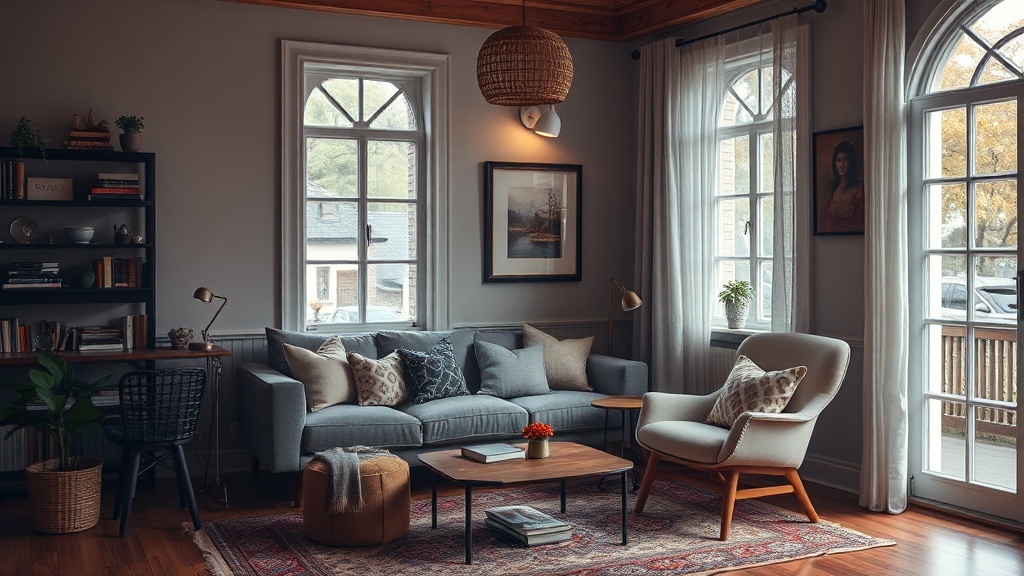
How to Create the Perfect Cozy Reading Nook in Any Space

Creating a dedicated reading nook transforms an ordinary corner into a sanctuary for relaxation and literary escape. This guide covers everything needed to design a comfortable, functional space regardless of square footage—from selecting the right seating and lighting to maximizing storage and adding personal touches. Whether working with a sprawling living room or a compact studio apartment, these strategies will help build a retreat that invites long, uninterrupted reading sessions.
What Makes a Reading Nook Feel Cozy?
A truly cozy reading nook combines soft textures, warm lighting, and a sense of enclosure that separates the space from the rest of the room. The goal isn't perfection—it's comfort that invites lingering.
Start with the foundation: seating that supports the body without feeling rigid. The IKEA POÄNG remains a budget-friendly classic (around $149 with cushion), though many readers swear by the Pottery Barn Wingback recliner for its cloud-like cushioning. The key difference? POÄNG offers a gentle bounce with its bentwood frame; the Wingback wraps around like a hug.
Texture layering separates amateur attempts from magazine-worthy spaces. Think sheepskin throws over leather, velvet pillows against linen upholstery, and a chunky knit blanket within arm's reach. The tactile experience matters—reading becomes immersive when the body feels cradled.
Here's the thing: coziness is deeply personal. Some people find dark, enclosed spaces comforting; others need natural light streaming in. The most successful nooks reflect individual preferences rather than Pinterest trends.
How Much Space Do You Actually Need for a Reading Nook?
Surprisingly little—four feet by four feet can suffice if planned thoughtfully. A reading nook doesn't demand an entire room; it requires intention.
Small spaces benefit from vertical thinking. Wall-mounted shelves (the CB2 Helix series works well) keep floor space clear while storing current reads. A floating window seat built into a bay window alcove—common in older homes—creates instant charm without sacrificing square footage.
| Space Size | Best Seating Options | Lighting Solutions | Storage Ideas |
|---|---|---|---|
| Under 25 sq ft | Hanging rattan chair, floor cushions | Clip-on book light, battery sconces | Wall pockets, floating shelves |
| 25-50 sq ft | Accent chair, small loveseat | Adjustable floor lamp, table lamp | Basket beside chair, narrow bookcase |
| 50+ sq ft | Chaise lounge, daybed, built-in bench | Layered lighting: ambient + task + accent | Built-in shelving, storage ottoman |
Apartment dwellers often overlook closet potential. Removing the door from a shallow closet (at least 24 inches deep) and adding a bench creates an instant nook. The existing walls provide natural enclosure—the psychological cue that this space serves a different purpose than the rest of the room.
What's the Best Lighting for Reading Without Eye Strain?
Warm, adjustable lighting positioned to illuminate pages without creating glare or shadows. Natural daylight works beautifully during morning hours, but most reading happens after sunset—making artificial lighting decisions critical.
The BenQ e-Reading LED Desk Lamp ($249) offers exceptional adjustability with its curved light bar that spreads illumination evenly across open books. For a more traditional aesthetic, the Archiology Arc Floor Lamp (available on Amazon for under $100) arches over seating to provide overhead light without ceiling installation.
Worth noting: color temperature affects both mood and readability. Look for bulbs rated 2700K-3000K—warm white that mimics late afternoon sun. Anything cooler (4000K+) feels clinical and strains eyes during evening sessions.
Layer lighting for maximum flexibility. A dimmable overhead fixture sets ambient tone, while a focused task lamp illuminates text. The third layer—accent lighting like fairy lights or a small candle (battery-operated for safety)—adds atmosphere without functional demands.
Position matters immensely. Light should come from behind and slightly above the shoulder—never from directly behind the book (creates shadow) or from the front (causes glare). If using a window for natural light, sit perpendicular to it rather than facing or backing up to it.
Lighting Mistakes That Ruin Reading Comfort
- Relying solely on overhead lighting—creates harsh shadows and flat illumination
- Using bare LED bulbs without shades—produces glare and uncomfortable brightness
- Positioning seating with a window directly behind—causes the book to become a silhouette
- Ignoring dimmer options—reading intensity changes; lighting should adapt
How Do You Choose Furniture That Fits Your Space and Budget?
Measure twice, prioritize comfort over aesthetics, and invest in the piece used most—the chair. Everything else can be sourced affordably and upgraded over time.
Budget breakdowns vary, but here's a realistic allocation for a complete nook setup:
Under $300 total: IKEA POÄNG chair ($149) + Threshold table lamp from Target ($25) + discount store pillows and throw ($40) + wall-mounted shelves ($30) + small side table repurposed from another room ($0) + books already owned ($0). The remaining budget covers a basket for storage.
$300-$800 range: West Elm's Roar + Rabbit™ Swivel Chair ($599 on sale) or a quality vintage wingback from Facebook Marketplace ($200-400) + Adjustable Pharmacy Floor Lamp ($129) + woven storage baskets from The Container Store ($35 each) + quality textiles.
The catch? Expensive doesn't always mean comfortable. Test seating in person when possible. A $2,000 designer chair with firm cushions won't see use, while a $200 recliner from La-Z-Boy might become a daily destination.
Side tables deserve more consideration than they typically receive. The surface needs to accommodate at minimum: a beverage, current book, reading glasses, and a phone. The West Elm Martini Side Table ($179) hits the sweet spot—compact footprint, stable surface, easy to move. For tighter spaces, a C-table (like the Amazon Basics Modern C Table at $45) slides over chair arms.
What Accessories Transform a Basic Corner Into a Sanctuary?
Textiles, scent, and sound create the intangible atmosphere that distinguishes a reading nook from merely a chair with a lamp. These elements engage senses beyond sight.
Start underfoot. A small rug—even layered over existing carpet—defines the space physically and psychologically. The Ruggable system offers machine-washable options (critical for beverage spills), while vintage Turkish rugs from Etsy sellers add character impossible to replicate with mass production. Size matters: the rug should extend at least 18 inches beyond the chair on all sides.
Sound control significantly impacts reading immersion. White noise machines (the LectroFan at $45 remains the gold standard) mask household noise and street sounds. For apartment dwellers with thin walls, this addition transforms reading from a struggle against distraction into pure focus.
Scent completes the sensory picture. A small diffuser with cedarwood and vanilla notes—nothing overpowering—signals the brain that this space serves relaxation. The Vitruvi Stone Diffuser ($123) doubles as sculptural decor when not in use.
"Reading is dreaming with open eyes." — often attributed to various sources, but the sentiment captures why environment matters so deeply for the experience.
How Can You Maintain a Reading Nook Long-Term?
Create simple habits: reset the space after each use, rotate book selections seasonally, and reassess comfort needs annually. A neglected nook becomes storage; a maintained one becomes a habit.
The reset routine takes ninety seconds: fold the throw blanket, stack current reads neatly, remove empty mugs, and fluff cushions. This tiny investment preserves the psychological invitation of the space. When a nook requires cleanup before use, reading becomes less appealing.
Book rotation keeps engagement fresh. Store off-season titles in boxes and display current interests prominently. Seeing unread books triggers curiosity; out-of-sight books gather dust mentally and physically.
That said, don't overcurate. A lived-in nook with a half-finished book on the side table and a coffee ring on the coaster feels welcoming, not messy. The goal is intentional comfort, not museum-quality presentation.
Annual reassessment prevents gradual decline. Sit in the chair with fresh eyes once yearly. Is the cushion still supportive? Does the lamp position still work? Have lighting needs changed with age? Small adjustments—tightening screws, replacing bulbs, adding lumbar support—extend a nook's life indefinitely.
Start small. Pick one corner this weekend. Add a chair, a lamp, and a book. The perfect reading nook isn't built in a day—it's discovered through use, adjusted through experience, and cherished through countless pages turned in comfortable solitude.