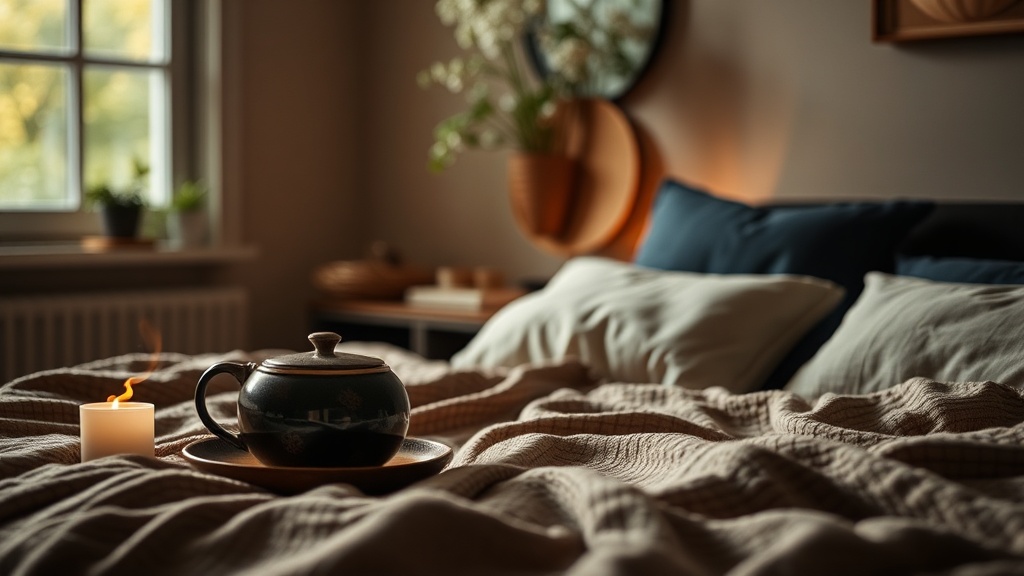
The Art of Slow Mornings: Creating a Cozy Ritual That Sets the Tone

This post breaks down exactly how to build a slow morning routine that actually sticks — from the habits worth keeping to the ones you should ditch. You'll learn practical rituals that create space for yourself before the day starts demanding things from you, backed by research on how intentional mornings reduce stress and improve focus throughout the day.
What Is a Slow Morning Routine?
A slow morning routine is a deliberate sequence of low-pressure activities designed to ease into the day rather than rush through it. It's the opposite of hitting snooze three times, checking email in bed, and scarfing down breakfast while searching for car keys. The goal isn't to cram more tasks into your morning — it's to create breathing room.
Here's the thing: the concept isn't about waking up at 4 AM or following some rigid system invented by a tech CEO. (Nobody needs to chug a gallon of ice water or take a 5-minute ice bath to have a good morning.) A slow morning looks different for everyone. For some, it's a cup of coffee on the porch watching the sun come up. For others, it's journaling without a timer or walking the dog without checking a step-counting app.
The common thread? Intentionality. You're choosing how to spend those first waking hours instead of letting them happen to you.
What Are the Benefits of a Slow Morning?
Research from the American Psychological Association shows that starting the day with unstructured time lowers cortisol levels and improves decision-making capacity later on. When the first moments of consciousness aren't hijacked by notifications and to-do lists, the brain stays in a calmer, more creative state.
Beyond stress reduction, slow mornings create what psychologists call "margin" — that buffer between being fully booked and having room to breathe. People who guard this margin report better sleep, stronger relationships, and (paradoxically) higher productivity. Not because they're doing more, but because they're doing what matters with clearer heads.
That said, the benefits don't show up overnight. Building a slow morning practice is a gradual shift — one that requires saying no to some things in order to say yes to peace.
How Do You Start a Slow Morning Routine?
Start by identifying what currently steals peace from your mornings. Is it the phone? The news? A chaotic kitchen? The catch? Most people try to add good habits before removing the bad ones, which rarely works. You can't pour water into a cup that's already full.
Try this: for one week, don't change anything. Just observe. Write down what you do in the first hour after waking. Note how each activity makes you feel — energized, neutral, or depleted. Patterns emerge quickly. You might discover that scrolling Instagram for ten minutes leaves you anxious, or that skipping breakfast makes you irritable by 10 AM.
Once you know what's broken, you can fix it strategically. Here are five pillars that anchor most effective slow morning routines:
- Wake without an alarm — or at least a gentler one. Apps like Sleep Cycle track sleep phases and wake you during lighter sleep, which feels less jarring.
- Stay off screens for 30 minutes — the blue light and dopamine hits derail morning calm before it starts.
- Move gently — not a full workout (unless that's your thing), but stretching, walking, or yoga to wake the body.
- Nourish intentionally — sit down for breakfast. Even toast and tea count if you're present for them.
- Set one intention — what would make today feel successful? It doesn't have to be ambitious.
Worth noting: you don't need all five. Most people thrive with three solid anchors rather than five half-hearted attempts.
The Role of Environment in Slow Mornings
The space you wake up in shapes the morning you have. Cluttered surfaces signal a cluttered mind. That doesn't mean you need a Pinterest-perfect bedroom — but clearing the nightstand, folding the throw blanket, and opening the blinds takes two minutes and changes the energy entirely.
Scent matters too. The smell of coffee brewing, fresh citrus, or a subtle candle (the Bath & Body Works Eucalyptus Spearmint line works well for mornings) creates an immediate sensory cue that it's time to slow down. Over time, the brain associates these smells with calm — a phenomenon called anchoring.
Sound completes the picture. Some people need silence. Others prefer soft music — the "Peaceful Piano" playlist on Spotify, or vinyl if you're feeling analog. There's no wrong answer. The point is choosing, not defaulting to whatever noise happens to be around.
Quick vs. Slow Morning Habits: What Actually Works?
Not all morning habits support a slower pace. Some popular advice actually undermines the goal. Here's a comparison of common recommendations and their real impact on morning quality:
| Habit | Quick Approach | Slow Approach | Verdict |
|---|---|---|---|
| Coffee | Grab Starbucks via app, chug in car | French press at home, sipped intentionally | Slow wins — ritual beats convenience for calm |
| Planning | Checking calendar while brushing teeth | 5 minutes with paper planner or notebook | Slow wins — context switching kills presence |
| Exercise | High-intensity 45-minute class | 20-minute yoga or neighborhood walk | Either works — depends on what energizes you |
| News | Push notifications and Twitter scroll | Physical newspaper or curated newsletter | Slow wins — you're in control of the pace |
| Breakfast | Protein bar or skipping entirely | Something warm and sit-down | Slow usually wins — but some people aren't hungry early |
The pattern is clear: when speed is the priority, presence suffers. That doesn't mean every morning needs to be two hours long. Even a thirty-minute slow morning beats a frantic ninety-minute one.
What If You Have Kids or a Demanding Schedule?
The objection most people raise: "This sounds nice, but I have [a toddler / a long commute / a job that starts at 6 AM]." Fair. The goal isn't to recreate some influencer's aesthetic morning — it's to reclaim whatever margin you can.
If mornings are chaotic because of children, the slow ritual might shift to 5:30 AM — just 20 minutes before the household wakes. Or it might happen after drop-off, at a coffee shop before work. The timing matters less than the intention.
For early work schedules, the "slow morning" might be compressed into the first ten minutes at your desk: a proper cup of tea, a few deep breaths, a written priority for the day. It's not about duration — it's about refusing to start the day in reactive mode.
Tools That Support Slow Mornings
Certain products genuinely help — though none are required. The Chemex pour-over coffee maker forces a five-minute wait while water filters through. The Leuchtturm1917 notebook invites handwriting without digital distraction. The Hatch Restore alarm clock simulates sunrise and plays gentle wake sounds instead of blaring alarms.
But beware of the "buy your way to calm" trap. A $300 meditation cushion won't create mindfulness if the habit isn't there. Start with what you have. Add tools only when they solve specific friction points.
How Long Until a Slow Morning Routine Sticks?
Research suggests habit formation takes anywhere from 18 to 254 days — with an average of 66 days for something to feel automatic. The catch? Missing a day doesn't reset the clock. Consistency over time matters more than perfect execution.
Most people find that slow mornings feel foreign for the first week, slightly less awkward by week two, and genuinely enjoyable by week four. The turning point usually comes when you have to rush one morning and notice how different — how worse — it feels. That's when the habit shifts from discipline to preference.
Here's the thing about slow mornings: they're not about optimization. They're about reclaiming the start of your day from the algorithms, the notifications, and the urgent-but-unimportant demands that wait just outside the bedroom door. One intentional morning leads to another. And eventually, those mornings add up to a different kind of life — one where the first hours belong to you.