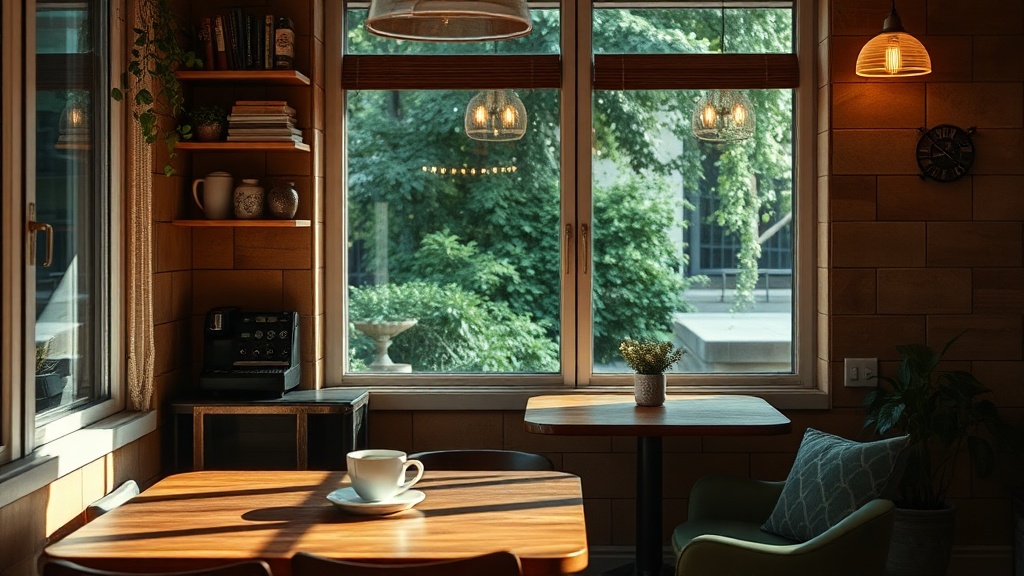
Small Joys in a Simple Coffee Nook

This article explains how to design, organize, and enjoy a dedicated coffee station in a small living space. You'll find practical advice on choosing equipment, managing limited counter space, and establishing a morning routine that actually feels relaxing. We'll look at specific gear, organizational strategies, and the psychological benefits of having a ritualized corner for your caffeine fix.
A coffee nook isn't just a place to store a machine; it's a functional zone designed to make your daily routine smoother. Whether you live in a studio apartment or a house with a sprawling kitchen, a dedicated station reduces the friction of making a cup of coffee. It moves the clutter off your main prep counters and gives you a specific place to focus.
How Much Space Do You Need for a Coffee Nook?
A coffee nook requires a minimum of 24 inches of horizontal counter space and a depth of at least 15 to 18 inches to accommodate most standard espresso machines or drip brewers. You don't need a massive dedicated room—a small corner of a kitchen, a sideboard, or even a sturdy-looking bar cart works perfectly. The goal is to find a surface that is near an electrical outlet and can handle the weight of your gear.
If you're working with a tiny footprint, think vertically. A small footprint doesn't mean you can't have a high-end setup. You can use a tiered stand or a small shelf to keep your beans, sugar, and spoons organized without taking up the entire kitchen counter. It's about being smart with the inches you have.
Here are a few common configurations to consider:
- The Bar Cart Method: Using a rolling cart like the IKEA RÅSKOG allows you to move your station around or tuck it away when guests arrive.
- The Sideboard Setup: Placing your machine on a buffet or sideboard in the dining area keeps the kitchen clear.
- The Countertop Corner: The classic approach—simply reclaiming a corner of your existing kitchen counter.
I've found that the most successful nooks are the ones that don't feel "stuck" in the way. If your coffee station is in the middle of your prep area, you'll end up bumping into it while making dinner. Move it to a periphery area where it can exist on its own terms.
What Is the Best Equipment for a Small Coffee Station?
The best equipment for a small station consists of a compact brewer, a single manual grinder, and a dedicated storage container for your beans. You want to prioritize multi-functional or space-saving tools that don't create unnecessary visual noise. For instance, a high-quality pour-over setup like a Hario V60 is much smaller and easier to store than a bulky electric drip machine.
When selecting gear, I recommend looking at the dimensions of your intended space first. There's nothing worse than buying a beautiful espresso machine only to realize it's three inches too wide for your nook. Check the measurements of your counter space before you hit "buy" on any new gadget.
Consider this comparison of common coffee-making setups for small spaces:
| Method | Space Requirement | Complexity | Best For |
|---|---|---|---|
| Pour-Over (Hario V60) | Very Low | Medium | Flavor enthusiasts |
| French Press | Low | Low | Consistent, easy brewing |
| Espresso Machine | High | High | Latte/Cappuccino lovers |
| AeroPress | Minimal | Medium | Travel or tiny kitchens |
If you're a fan of a more "set it and forget it" approach, a small Nespresso machine is a solid choice, though it relies on much more specific-sized pods. It's a trade-off between convenience and the ability to customize your coffee experience. Personally, I prefer the tactile nature of a manual process—it makes the morning feel a bit more intentional.
It's worth noting that your choice of gear dictates how much "clutter" you'll actually have. An espresso machine requires milk frothers, knock boxes, and more specialized cleaning tools. A simple pour-over setup just needs a kettle and a filter. Choose the one that matches your actual daily habits, not just your aspirations.
If you're already struggling with a bit of clutter in your kitchen, you might want to look at organizing small collections to keep your coffee tools from feeling like a mess.
How Can I Organize My Coffee Supplies?
Organize your supplies by frequency of use, placing your most-used items—like your favorite mug and your primary coffee beans—within easy reach of your brewer. Use small, uniform containers for things like sugar, cinnamon, or cocoa powder to reduce visual clutter. A tray is a great way to "ground" your items and prevent them from looking like they're just scattered across the counter.
I'm a huge fan of using a small tray to group everything together. It creates a visual boundary. Instead of having a bag of coffee, a spoon, and a jar of sugar floating around, they are all contained within one defined area. This makes the nook look like a deliberate design choice rather than a pile of stuff.
Here is a quick checklist for organizing your nook:
- Group by Type: Keep all your syrups together, all your tea bags together, and all your coffee tools together.
- Use Vertical Space: A small two-tier shelf can hold your beans on the bottom and your mugs on top.
- Standardize Containers: Moving beans from a crinkly, half-empty bag into a glass jar (like a Mason jar or a specialized coffee canister) looks much cleaner.
- Label Everything: If you use different types of milks or sweeteners, a small label helps you (and anyone else in the house) find things quickly.
The goal is to make the process of making coffee as frictionless as possible. If you have to hunt for a spoon every single morning, you'll eventually stop enjoying the ritual. A well-organized station turns a chore into a moment of calm.
Sometimes, the way we start our day determines the quality of the entire afternoon. If you find that your morning routine is still feeling a bit chaotic, you might enjoy reading about creating a cozy morning ritual to see how a coffee nook fits into a larger lifestyle shift.
Why a Dedicated Nook Changes the Daily Experience
A dedicated coffee nook changes the daily experience by creating a psychological boundary between "doing tasks" and "taking a moment." When you step over to your coffee station, you're signaling to your brain that it's time to slow down. This is a form of micro-ritual—a small, repeatable action that provides a sense of order in a busy day.
It's not just about the caffeine. It's about the sensory experience. The sound of the water boiling, the smell of the freshly ground beans, and the warmth of the mug in your hands. When these elements are organized and aesthetically pleasing, they become much more effective at grounding you.
In a world that's constantly demanding our attention, having a small corner that is entirely yours—even if it's just a 24-inch stretch of counter—is a small victory. It’s a way to reclaim your time. You aren't just "making coffee"; you are participating in a ritual that was designed by you, for you.
The science behind why we find comfort in these small rituals is well-documented. According to research on habit formation and psychological well-being, small, predictable routines can significantly lower cortisol levels and provide a sense of control over one's environment. You can read more about the physiological aspects of routine and stress at the National Institutes of Health website.
Whether your nook is a single shelf or a full-blown coffee bar, the intention behind it is what matters most. Make it functional, make it beautiful, and most importantly, make it yours.